.NET 8 End of Support: Older Apps Are Often Already Past It
.NET 8 support ends 10 November 2026, but many older custom applications already run on unsupported runtimes, databases or servers. How to check yours.


.NET 8 support ends 10 November 2026, but many older custom applications already run on unsupported runtimes, databases or servers. How to check yours.
Maritime AI tools often give confident, wrong answers — usually because of messy data, not the model. Here’s what to fix first, and 3 questions to ask before you buy.

Maritime AI tools often give confident, wrong answers — usually because of messy data, not the model. Here’s what to fix first, and 3 questions to ask before you buy.

Singapore’s port is moving to shared digital platforms. Here’s what digitalPORT@SG, JIT arrivals and the Maritime Digital Twin mean for ship-management systems.
A 90-day case study of an AI-augmented operations platform at a Singapore-based multi-asset operator — what changed, what did not, and the three patterns we did not predict.

How a five-person AI-native engineering team can match the throughput of a much larger traditional one — the operating model, the limits, and what it means for FY27 hiring.
A clear, hype-free model for AI agents in enterprise operations in 2026 — the three patterns, where they work, and the architectural prerequisites most teams have not built yet.
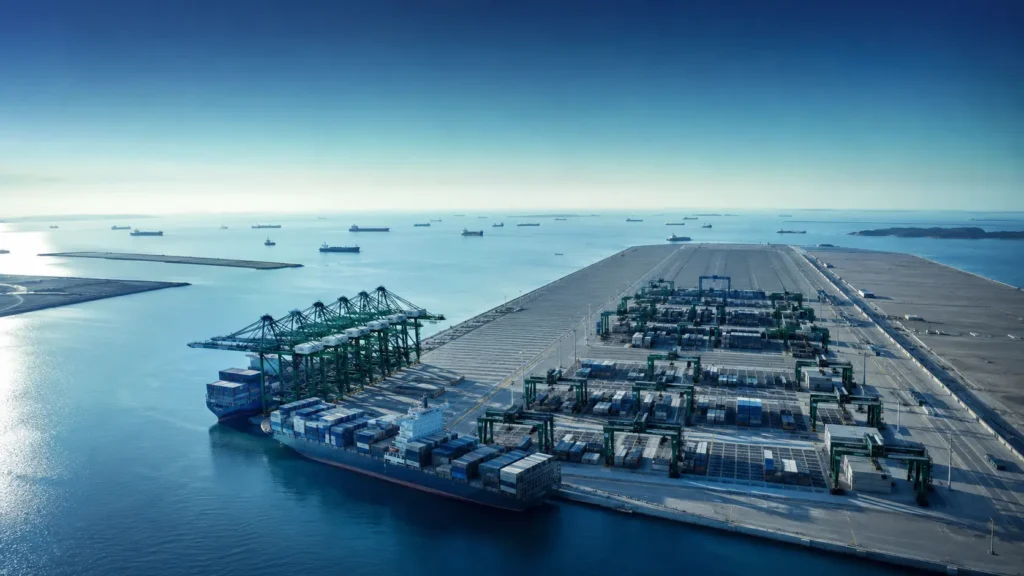
The one-page picture of Singapore’s 2030 smart port — Tuas consolidation, OCEANS-X, Maritime Digital Twin, autonomous bunkering, and the software window for everyone else.

Five concrete shifts every 2027 enterprise software roadmap must plan for — agentic AI, ambient compliance, edge AI, sovereign data, and the end of reporting tools.
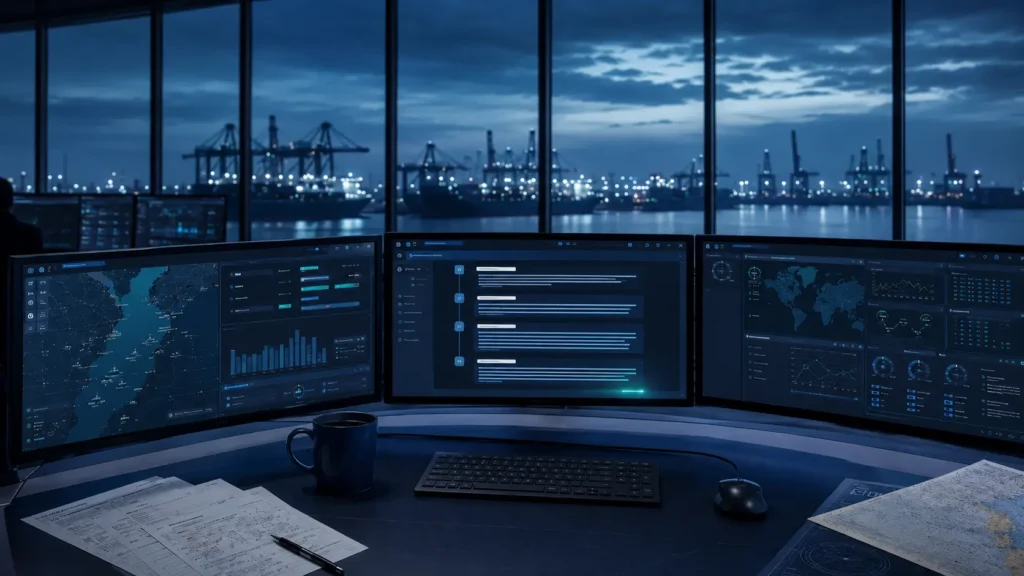
A 2026 field report on the four places generative AI is genuinely earning its keep in fleet operations — and the use cases still trapped in pilot mode.