
Singapore Port Digitalisation: What Ship Managers Need to Know
Singapore’s port is moving to shared digital platforms. Here’s what digitalPORT@SG, JIT arrivals and the Maritime Digital Twin mean for ship-management systems.


Singapore’s port is moving to shared digital platforms. Here’s what digitalPORT@SG, JIT arrivals and the Maritime Digital Twin mean for ship-management systems.

How a five-person AI-native engineering team can match the throughput of a much larger traditional one — the operating model, the limits, and what it means for FY27 hiring.

A clear, hype-free model for AI agents in enterprise operations in 2026 — the three patterns, where they work, and the architectural prerequisites most teams have not built yet.
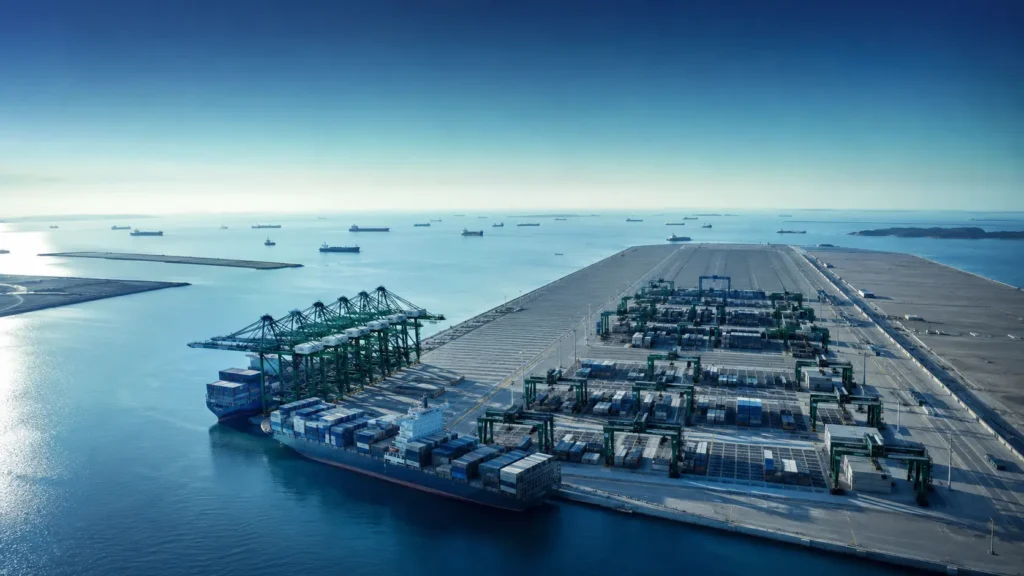
The one-page picture of Singapore’s 2030 smart port — Tuas consolidation, OCEANS-X, Maritime Digital Twin, autonomous bunkering, and the software window for everyone else.

Five concrete shifts every 2027 enterprise software roadmap must plan for — agentic AI, ambient compliance, edge AI, sovereign data, and the end of reporting tools.
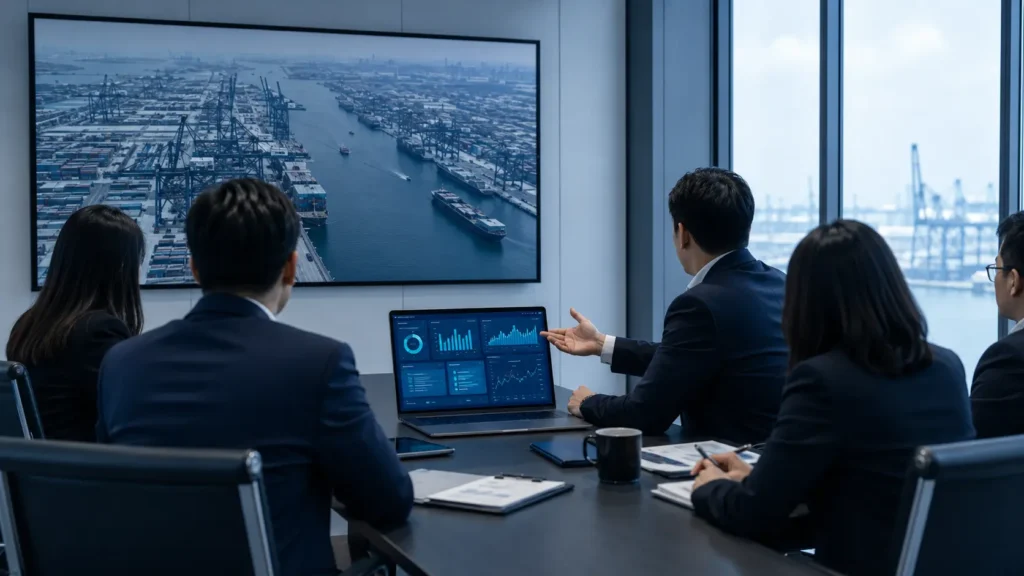
Three behavioural signs predict when maritime software is becoming a compliance liability for Singapore ship managers — and the rule for when to act on them.
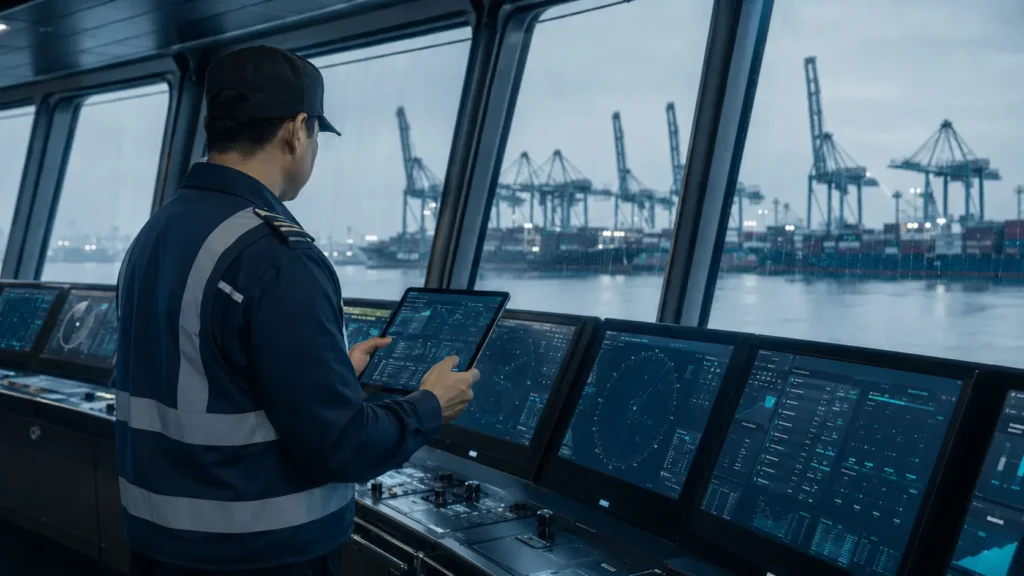
IACS UR E26 and E27 are reshaping cyber compliance for Singapore ship managers — and most are getting it wrong. Here’s where DOC accountability really lands.
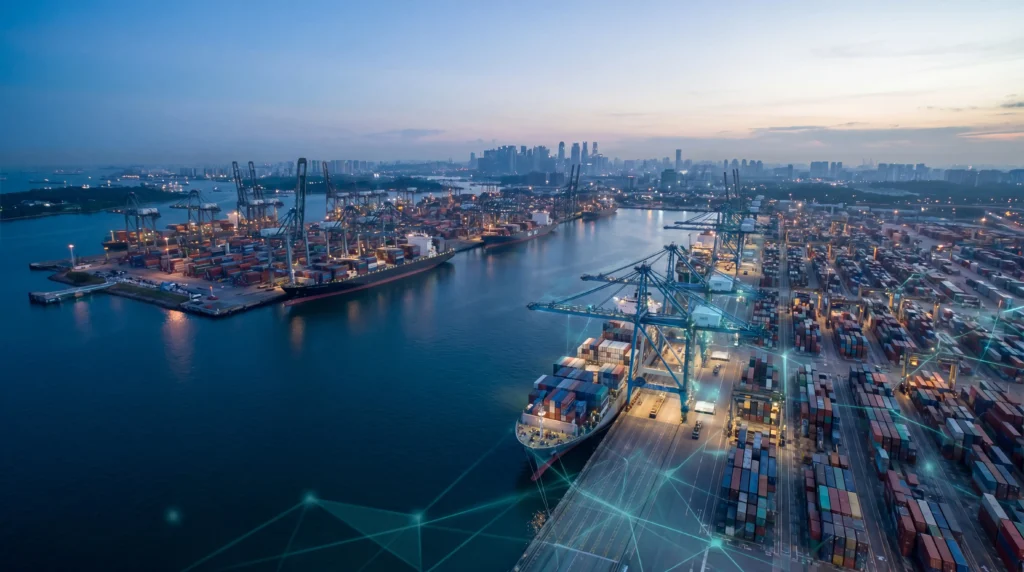
Singapore launched OCEANS-X at Maritime Week 2026. Here’s what it means for your ship management software — and your 90-day action plan to stay connected.

Singapore ship managers carry SGD 1–3M in software liability annually — none of it on the balance sheet. Here’s how to find it and what it costs you.

ISO 9001 doesn’t cover data security. Here’s why maritime operators must require ISO 27001 from software vendors — and how to verify the certification is real.